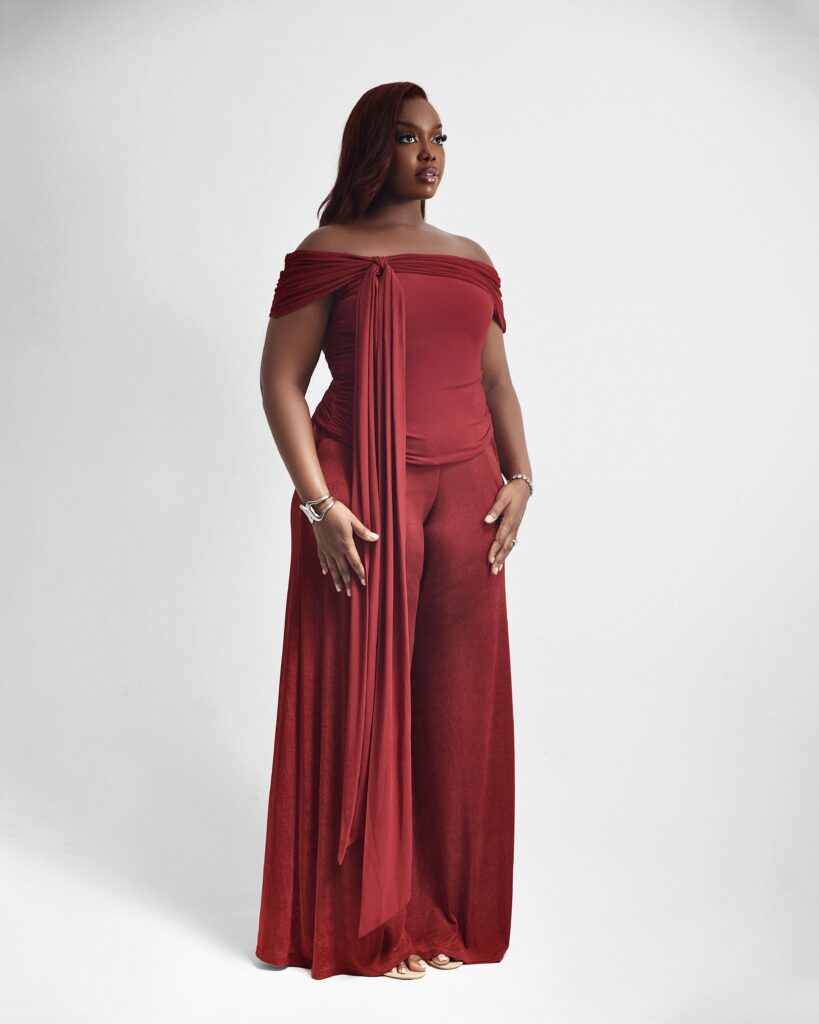


Almost everything written about buying clothes is about style. Very little of it is about how the thing is actually made, which is strange, because how it is made is what decides whether you still want it in a year.
There is a woman at every event who looks like she spent more than she did. Nothing pulls, nothing rides up, she is not adjusting anything. Sometimes the dress was expensive. Often it was not. What she has is a piece that was made properly, and made properly is something you can learn to recognise in about ninety seconds.
Start with the inside
The inside of a garment is where corners get cut, because almost nobody looks.
A fully lined dress hangs away from the body, does not cling where you do not want it to, and will not turn transparent in a flash photograph. Unlined stretch dresses are considerably cheaper to produce and they announce themselves within a few wears.
Then look at how the seams are finished. Enclosed and neat, or raw edges left to fray. That single detail tells you how much time was spent, and time is the thing that costs money in a garment.
Pull gently at a seam
Take a seam between two fingers and pull lightly in opposite directions.
A well-made seam holds and springs back. A poor one gaps open and you can see light between the stitches. That gap is the split that arrives the first time you sit down heavily or dance for an hour.
Stitch density is the reason. More stitches per inch takes longer, costs more, and is the difference between a seam that lasts and one that does not.
Stitched or glued
This is the largest single difference between two dresses that look identical in a photograph.
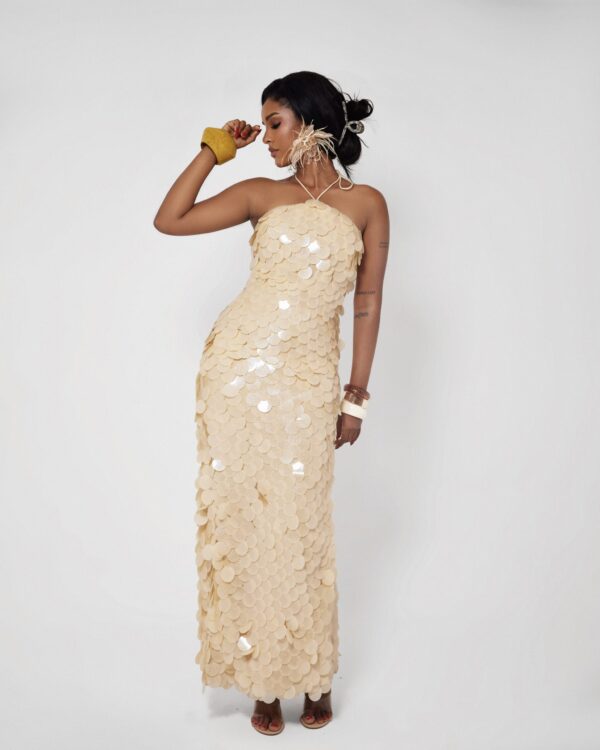
Sequins, paillettes, diamante and beading are either sewn into the fabric or glued onto it. Glue is faster and cheaper. It also sheds over time, leaves marks where pieces come away, and cannot be repaired.
There is a visual difference as well, and it is the reason one sequin dress looks alive in photographs and another looks flat. Stitched embellishment has a small amount of independent movement, so it catches light as you walk. Glued embellishment sits still and reflects still.
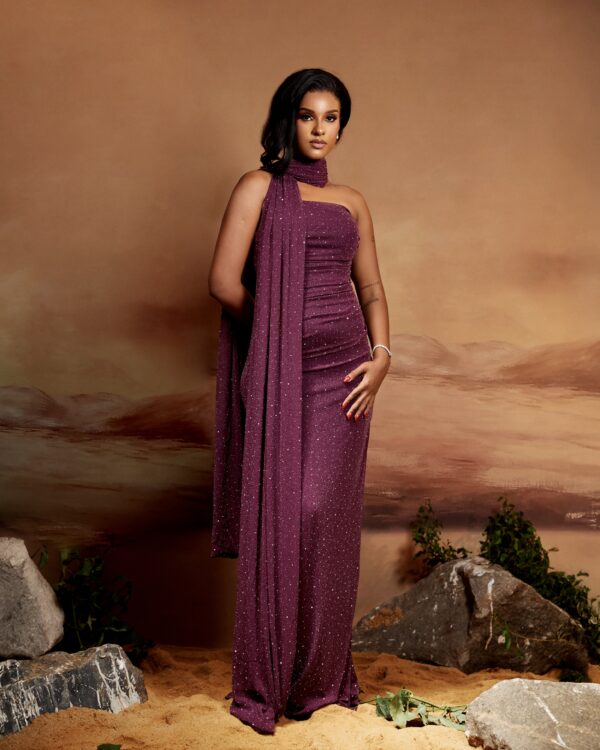
Every paillette disc on SOLEA is stitched individually, one at a time. It is slow work and it is the whole reason the dress does what it does under light.

Look for structure
A boned bodice has thin flexible strips sewn into the seams, holding the shape of the garment rather than relying on your body to hold it.
This is why a structured dress looks the same at midnight as it did at seven, and an unstructured one softens as the evening goes. The waist drops, the neckline shifts, and the silhouette you bought is not the one in the photographs from the end of the night. Most people do not notice until they see them.
You can usually feel it. Run your fingers down the side seams of the bodice and there should be a firm narrow line inside.
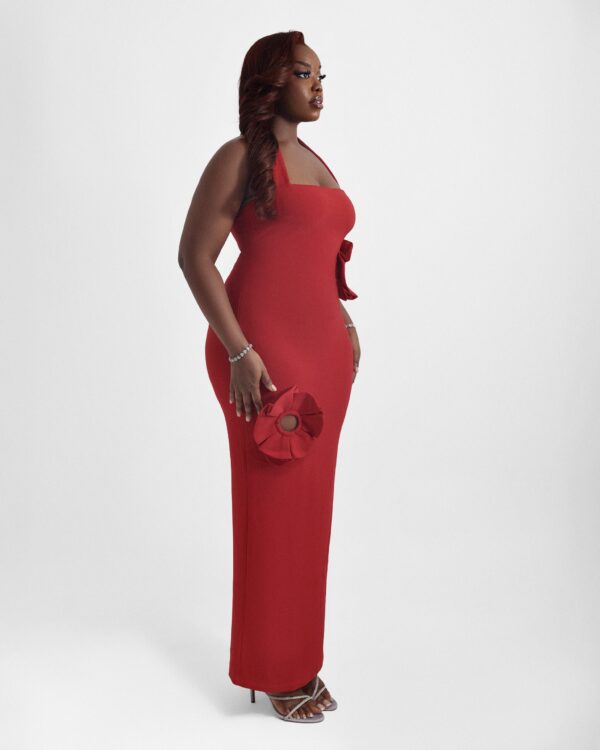
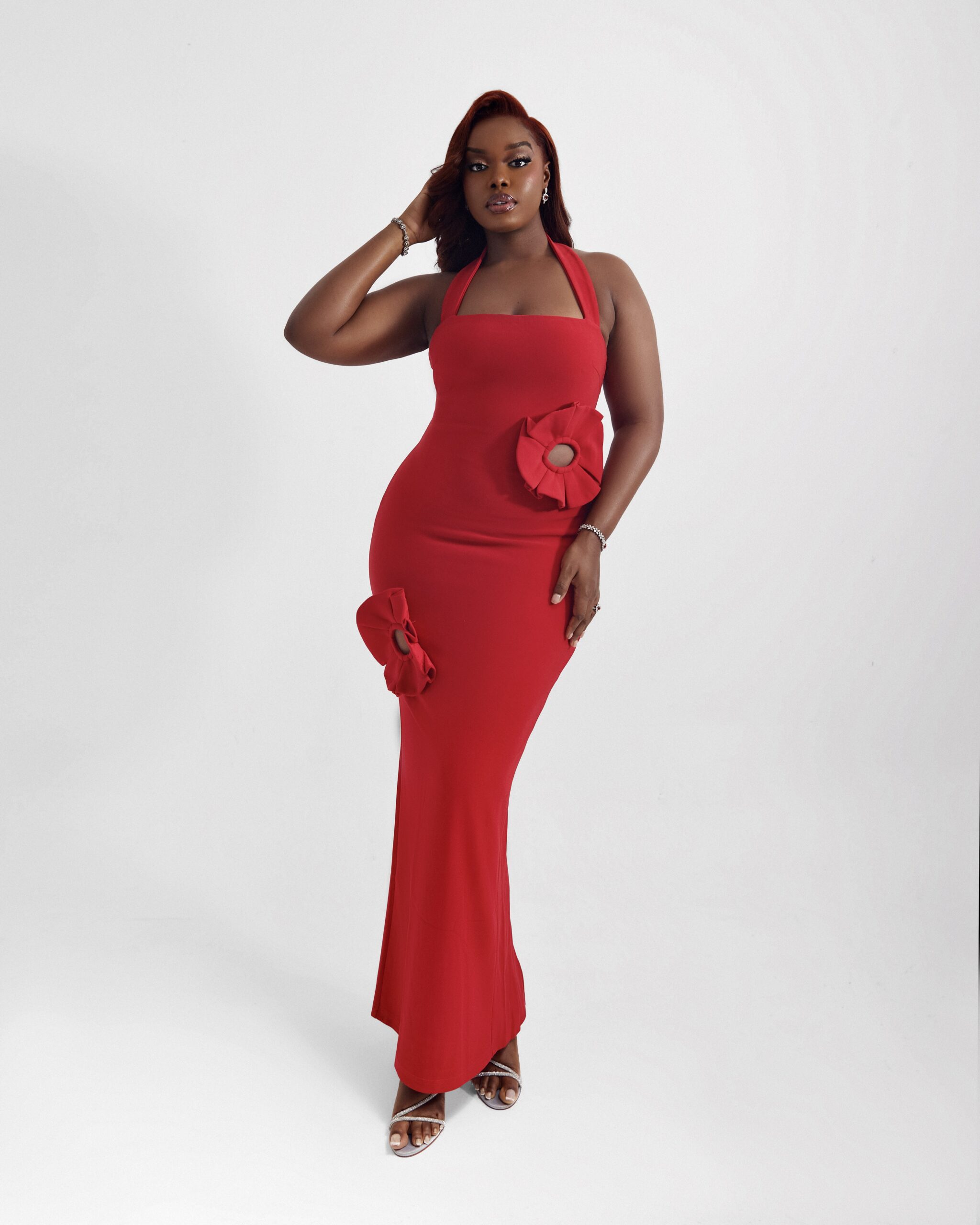
SCARLET is cut from thick stretch crepe with a boned bodice and full lining. The fabric weight matters as much as the boning. Thin stretch shows everything underneath it. Thick crepe holds a clean line without anything underneath at all.

Check the zip
An invisible zip should sit completely flat and disappear into the seam. If the fabric puckers or ripples around it, it was set badly, and a badly set zip is visible from across a room.
Run it up and down. It should move without catching. A zip that snags in a fitting room will snag when you are getting dressed in a hurry, which is every time that matters.
Then move in it
This is the one that only reveals itself when you try it on properly. Walk. Sit. Raise your arms. Lean forward.
A well-made dress needs no management through any of that. The woman who looks like she spent more is usually just the woman who is not fighting her clothes.
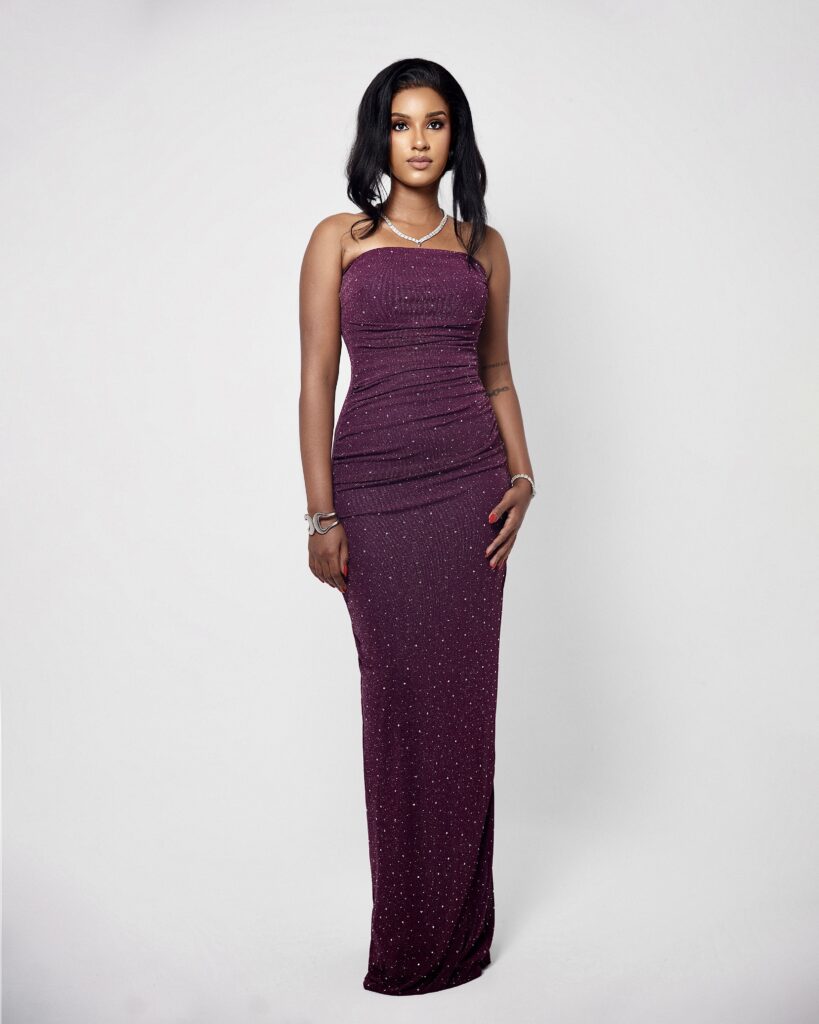
On strapless pieces, look for internal grip tape. It is a strip sewn into the top edge that holds the garment against the skin. KAIA has it. Most strapless dresses at any price do not, which is why most strapless dresses need adjusting every ten minutes.
Six things
Lining. Seams. Stitched or glued. Structure. Zip. Whether it stays where you put it.
We check all six before anything leaves us. You can check all six in ninety seconds before you buy anything, from anyone.