
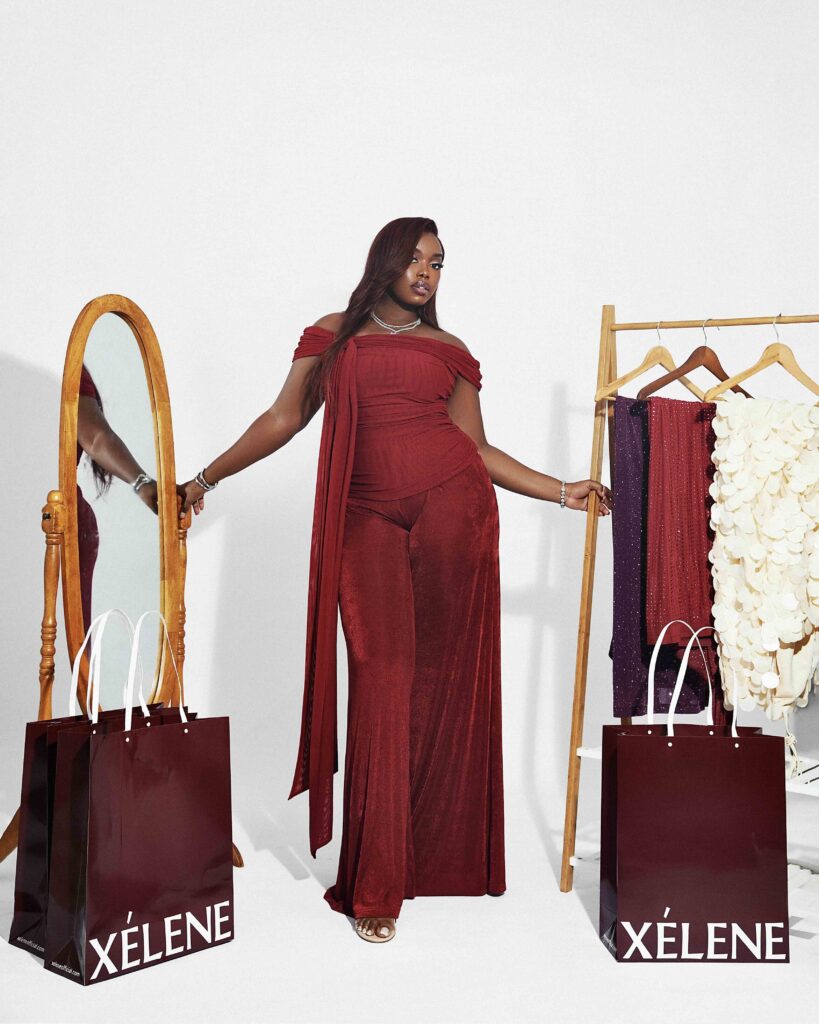
You choose a colour in daylight, in a bedroom, in a mirror. Then you wear it in a dim restaurant, or under a marquee at four in the afternoon, or on a terrace at sunset.
Those are four completely different sets of conditions, and colour behaves differently in every one of them. Most disappointing photographs are not about the dress. They are about the light the dress ended up in.
What low light does to black
Black is the safe answer and in a dim room it is the least interesting one.
In low warm lighting, black loses all its detail. Texture disappears, seams disappear, and the dress reads as a shape rather than a garment. You will see it in every photograph from the evening and wonder why the dress looks like nothing when it looked expensive in the shop.
This is not an argument against owning black. It is an argument for knowing what a specific room will do to it, and for choosing something else on the nights that matter most.
Why red holds
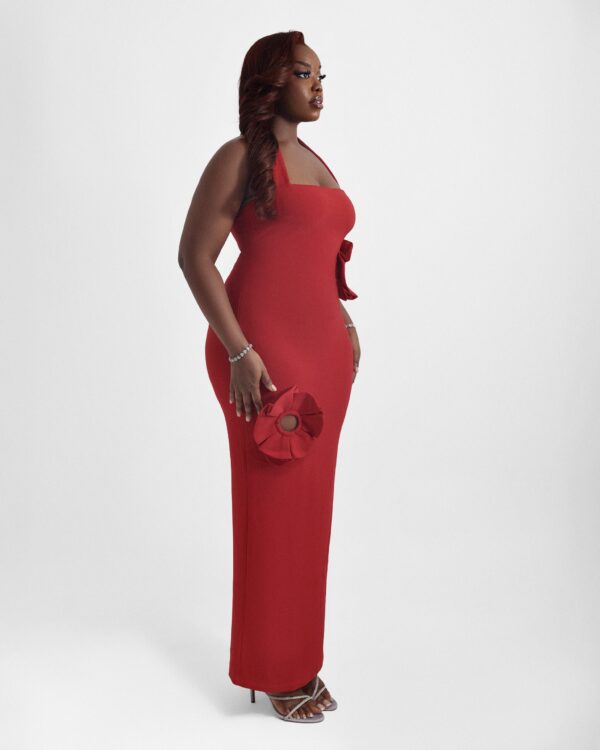
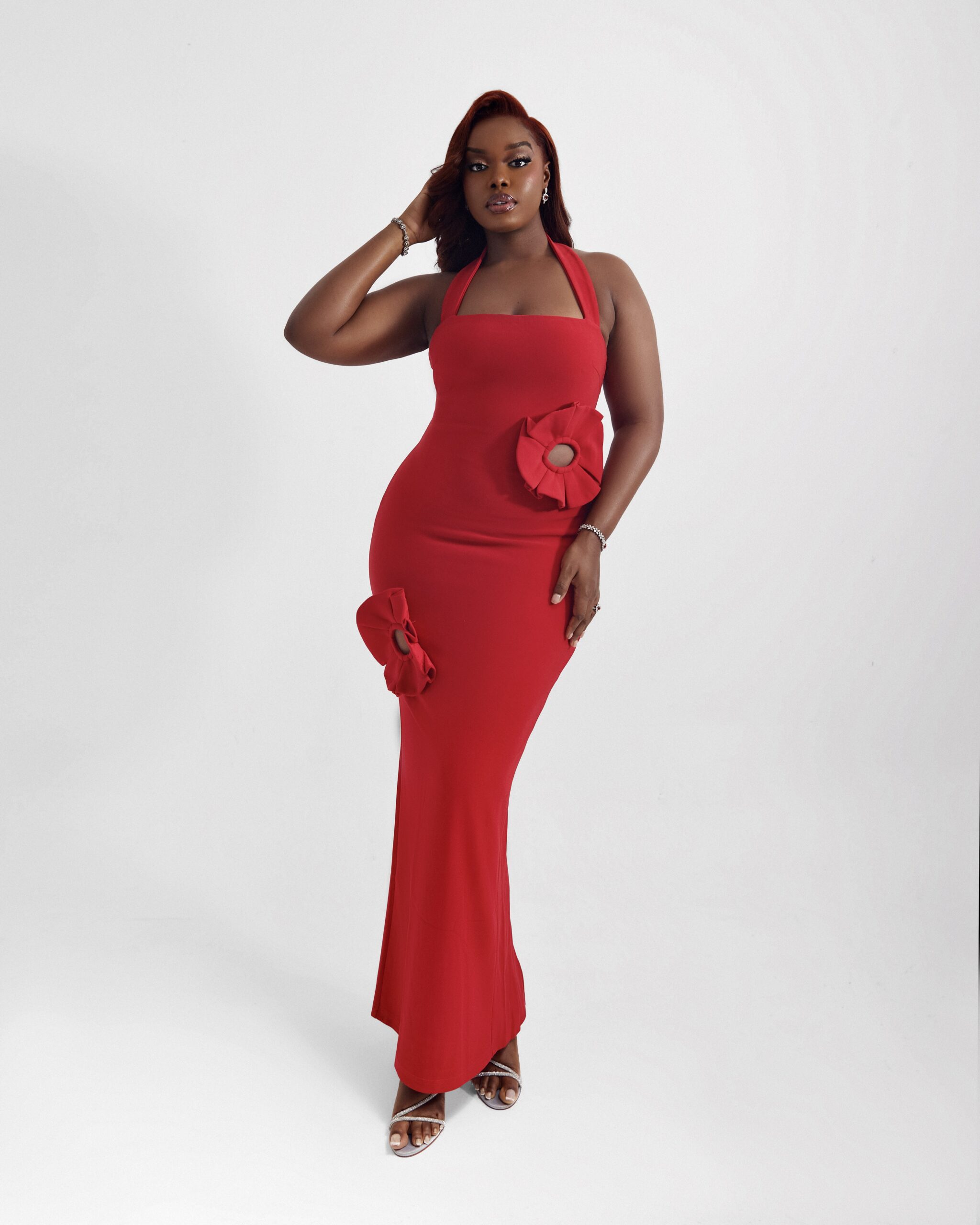
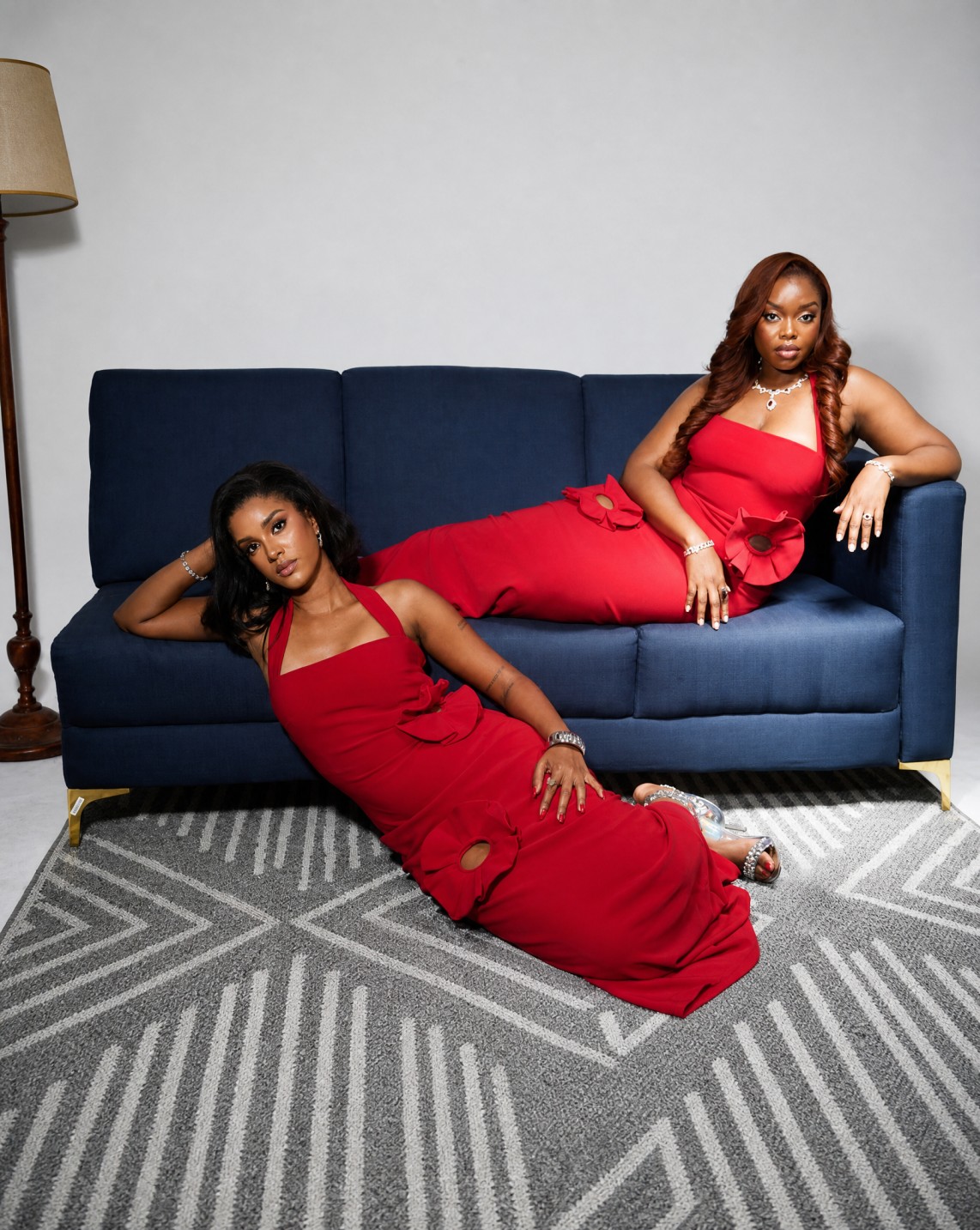
Red is the colour that survives the widest range of conditions, which is why it keeps returning for birthdays and evenings out.
It stays saturated in low light rather than flattening. It reads clearly at distance in a crowded room. It photographs consistently under warm restaurant lighting, flash, and daylight, which almost no other colour manages.
It also carries a signal. Nobody wears red by accident, so it quietly says the evening was planned rather than improvised.
The condition is that the fit has to be right, because a red dress that does not fit is obvious in a way a navy one is not. SCARLET is cut in thick stretch crepe with a boned bodice for exactly that reason. Weight in the fabric holds the line, and the line is what the colour is drawing attention to.

Deep colours in the evening, light colours in daylight
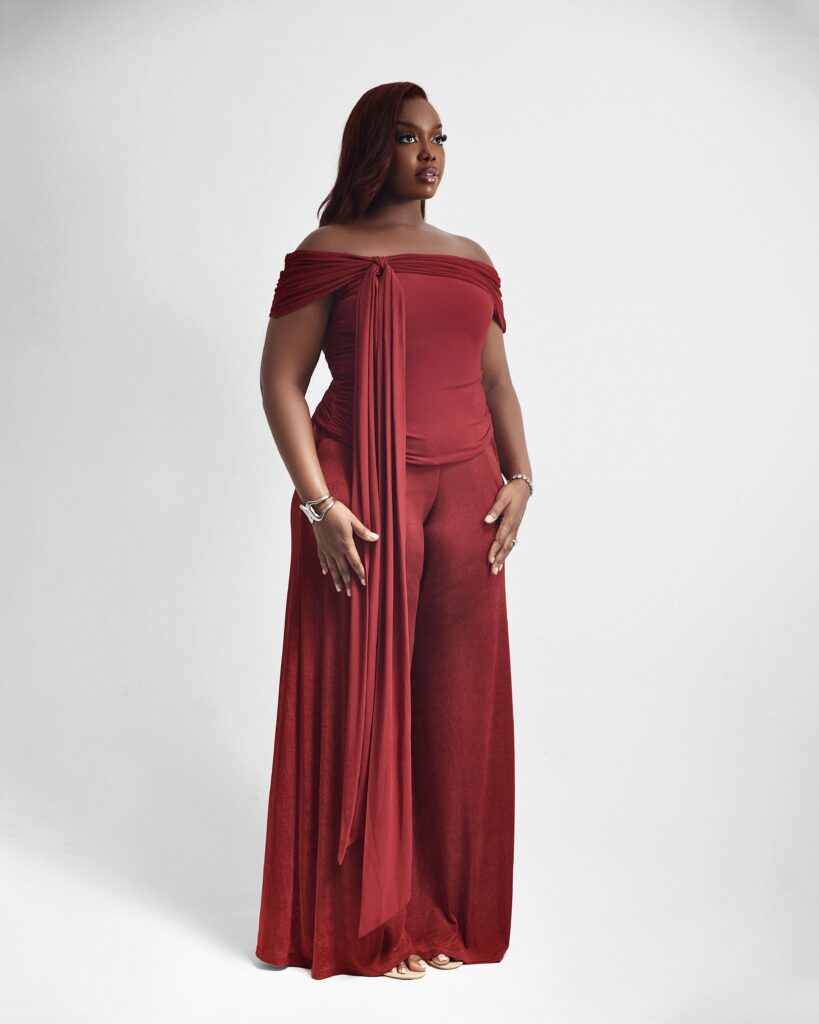
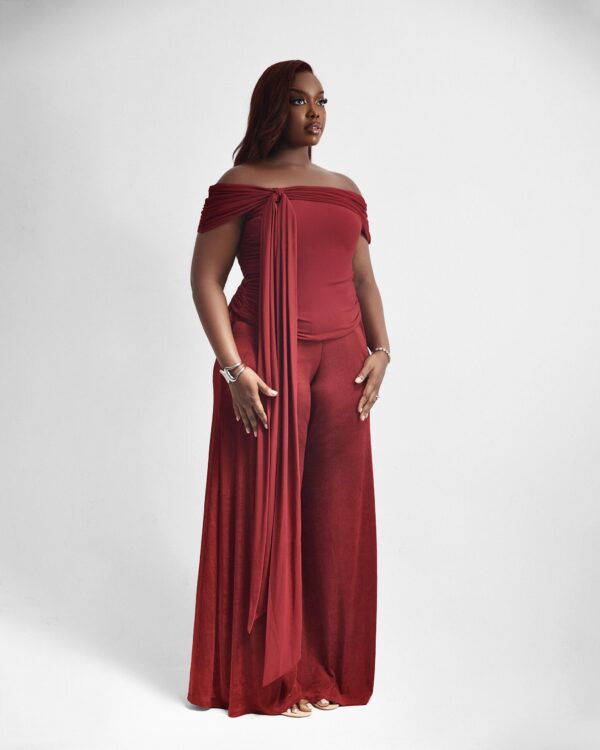
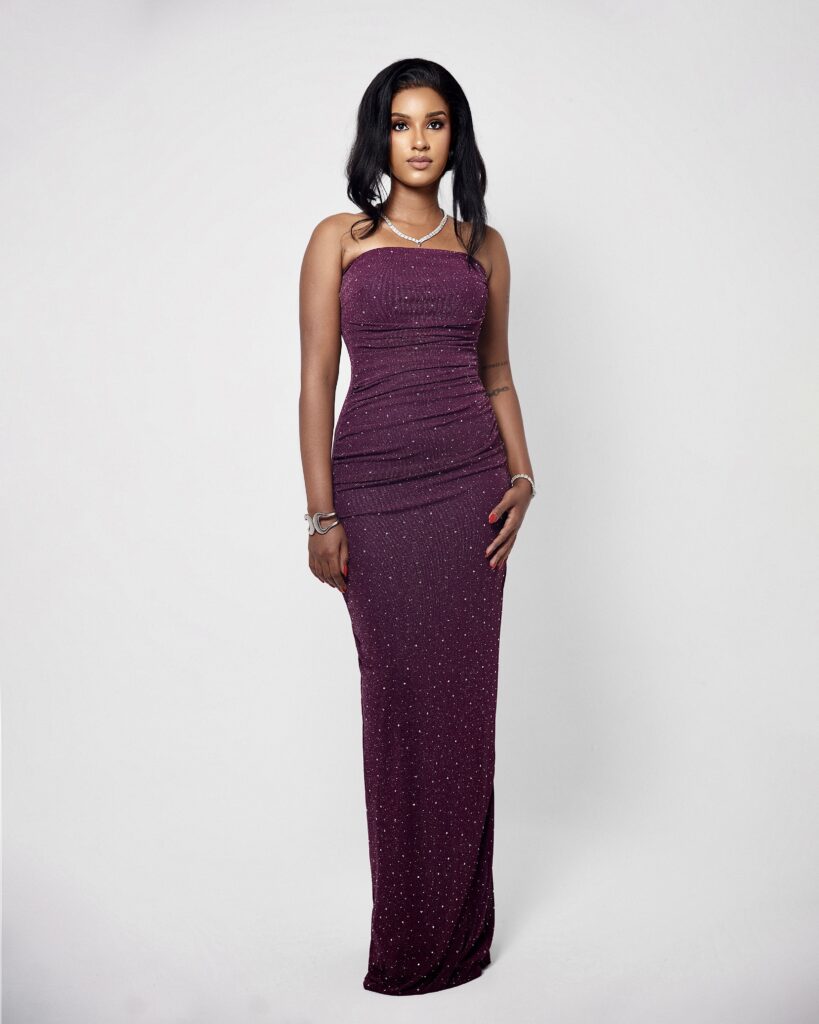
Plum, burgundy and deep green hold their richness under artificial light in a way that mid-tones do not. They read as depth rather than as darkness, which is the difference between interesting and invisible.
KAIA is plum for this reason rather than black. Under evening light it stays a colour. Black becomes an absence.
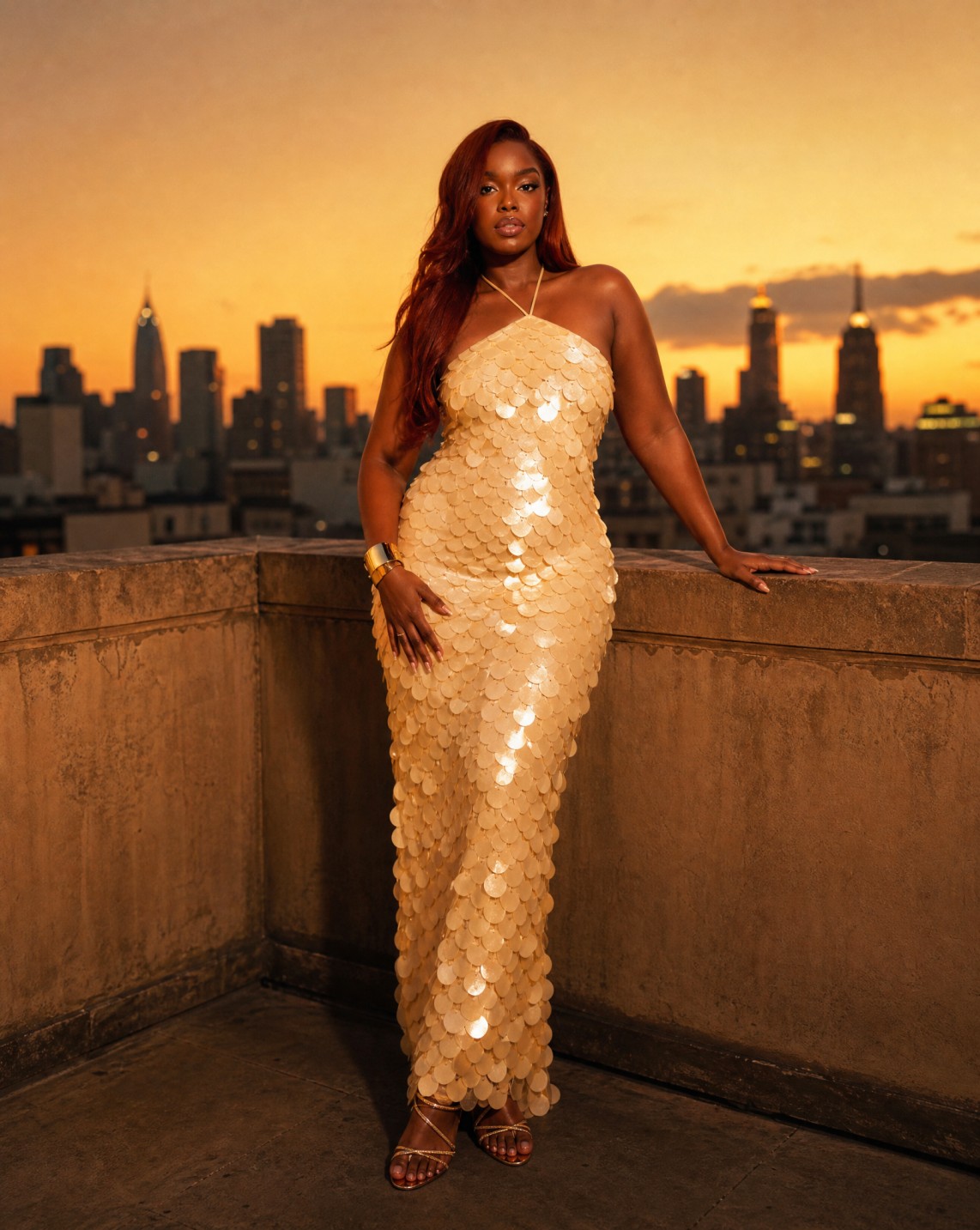
In daylight the opposite applies. Pale and warm colours come alive outdoors and dark colours absorb heat and light in equal measure. Butter yellow, like SOLEA, is a daylight colour first. It does something in afternoon sun and at golden hour that no dark dress can do, which is why it belongs at a destination ceremony rather than a dim dinner.
Metallics take whatever light there is
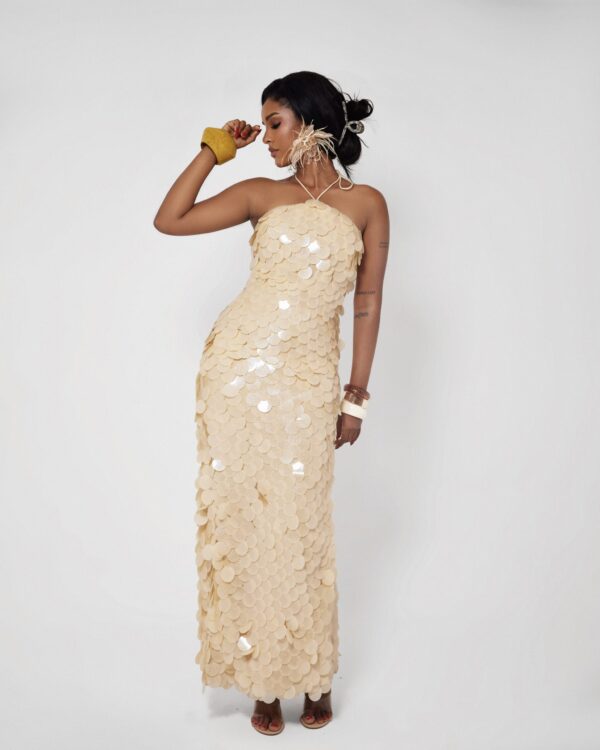
Metallic fabric does not have a colour so much as a response. It uses the light available, which makes it unusually reliable when you do not know the venue.
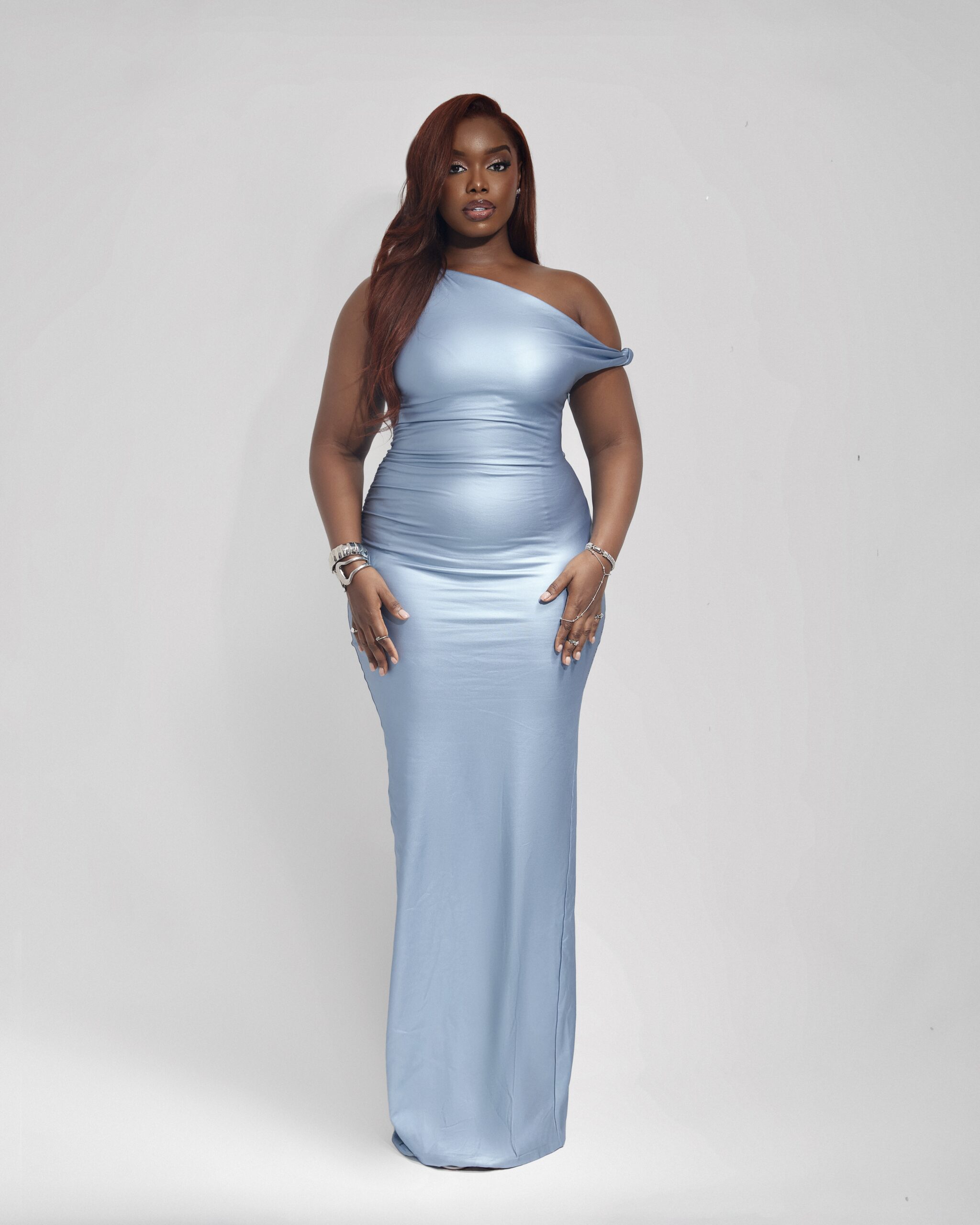
This is why AURE works for an event you have not seen. Under low light it picks up warmth. Under daylight it reads cooler and cleaner. It adapts rather than depending on conditions being right.
Before you decide
Ask what time the event starts and where it is. Indoors after dark is a different decision to a garden at three.
Look at photographs of the venue if there are any. Every restaurant and every hall has a lighting personality and it is usually visible in the first image on a search page.
And if the night genuinely matters, choose the colour that holds rather than the colour that is safe. Safe is how you end up as a silhouette in every photograph you keep.