
You booked it early because that restaurant is impossible on a Saturday. Since then you have thought about the night more than you would say out loud to anyone.
Everything is arranged. The only thing still undecided is what you are wearing, and it has been undecided for six weeks.
Why this one is different
Almost every other dress is bought for something you are attending. This one is for something you are hosting, even if all you did was make a reservation.
People will look at you more than they usually would. You will be photographed more than you usually are. And of all the photographs taken of you this year, these are the ones you will actually return to.
That is not pressure. It is simply a reason to decide properly rather than at six o’clock on the day.
Eight people or thirty
The size of the table changes the dress more than most people expect it to.
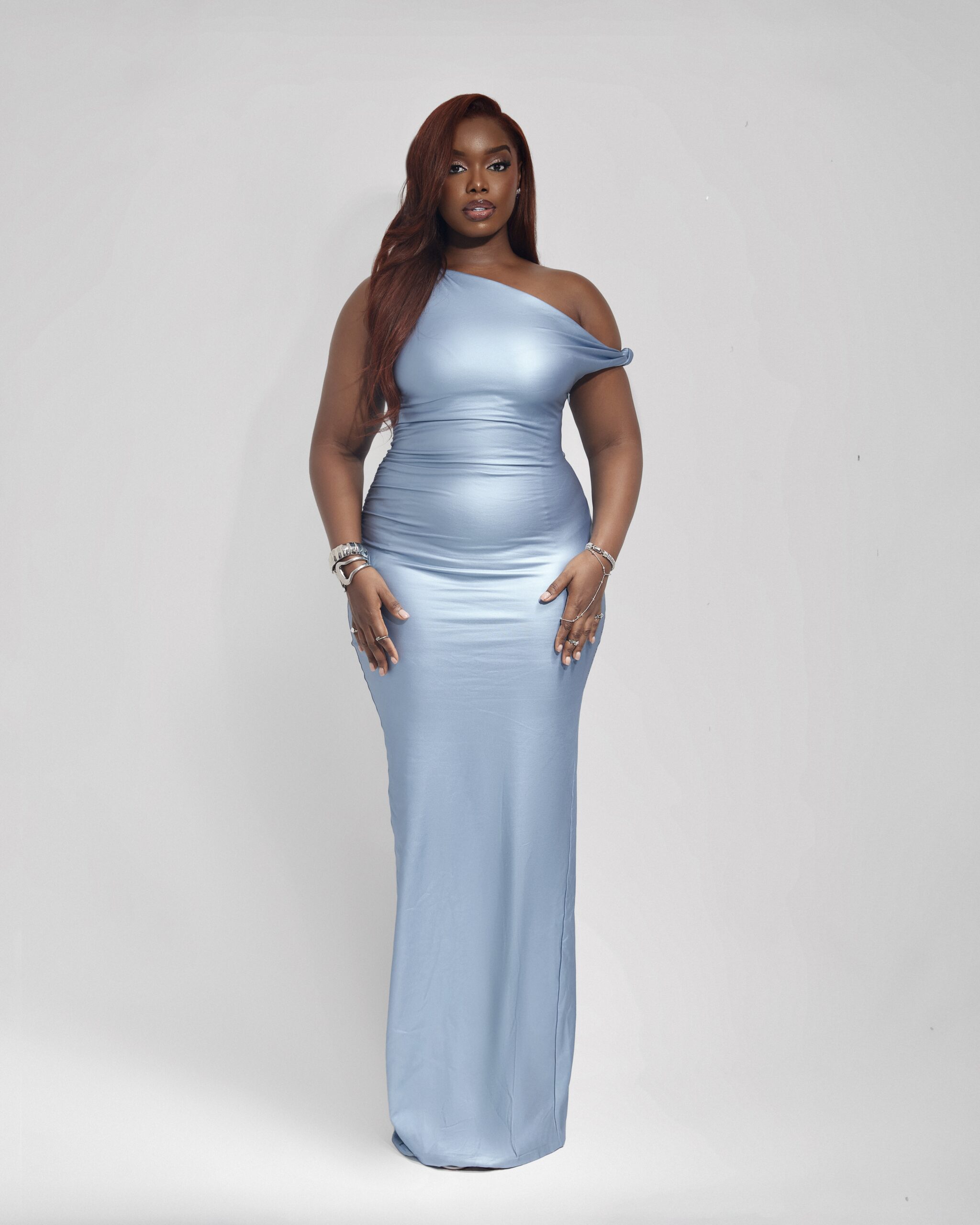
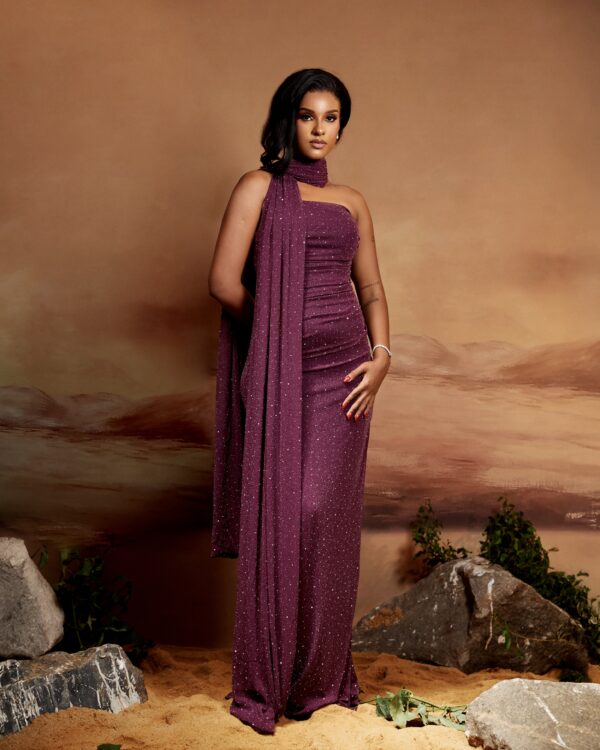
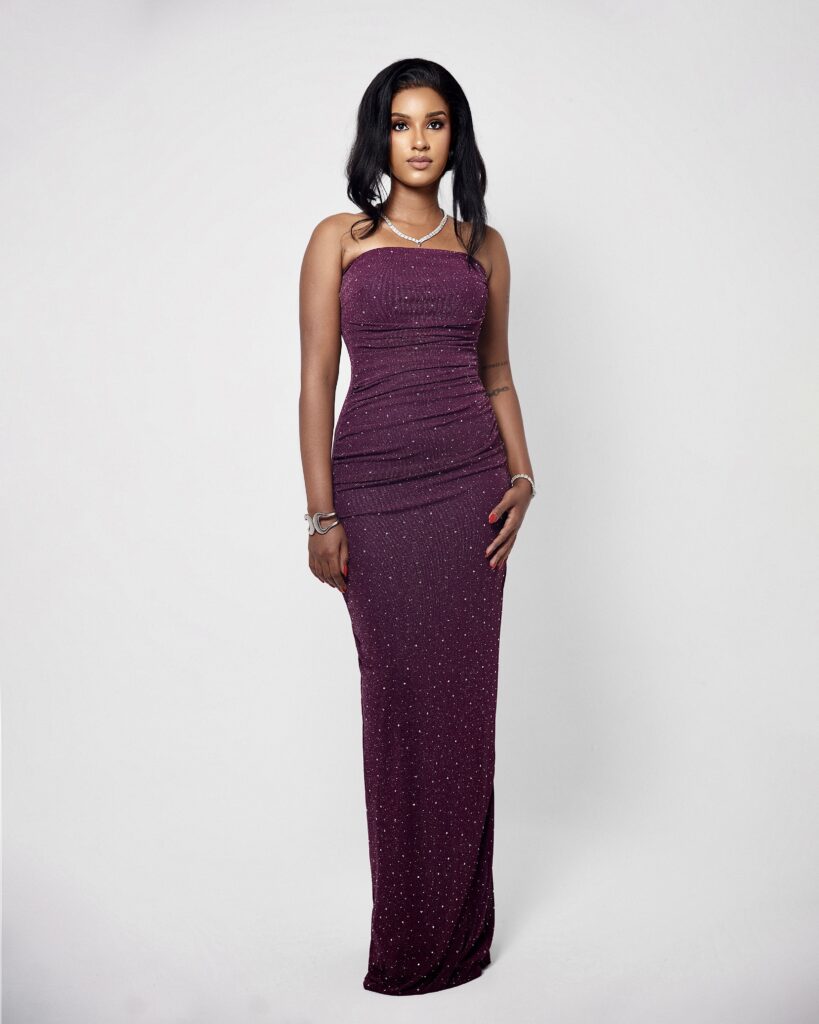
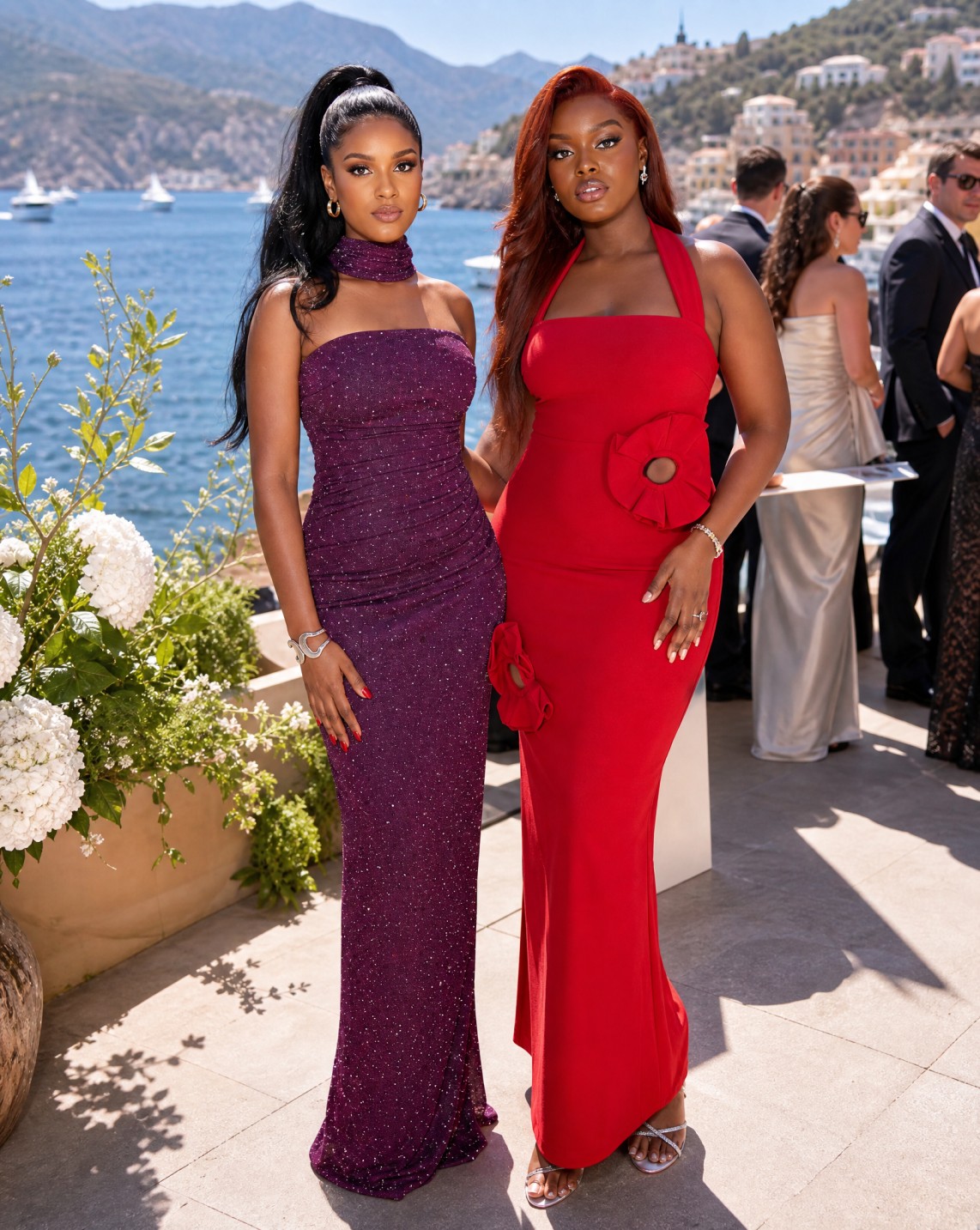
A dinner of six or eight is close. You will be seated for most of the night, near everyone, and the details will be seen properly. This is where texture and finishing get noticed. KAIA works at a table like this, because the pleated bodice and the diamante set into the mesh are things you see from a metre away rather than across a room.

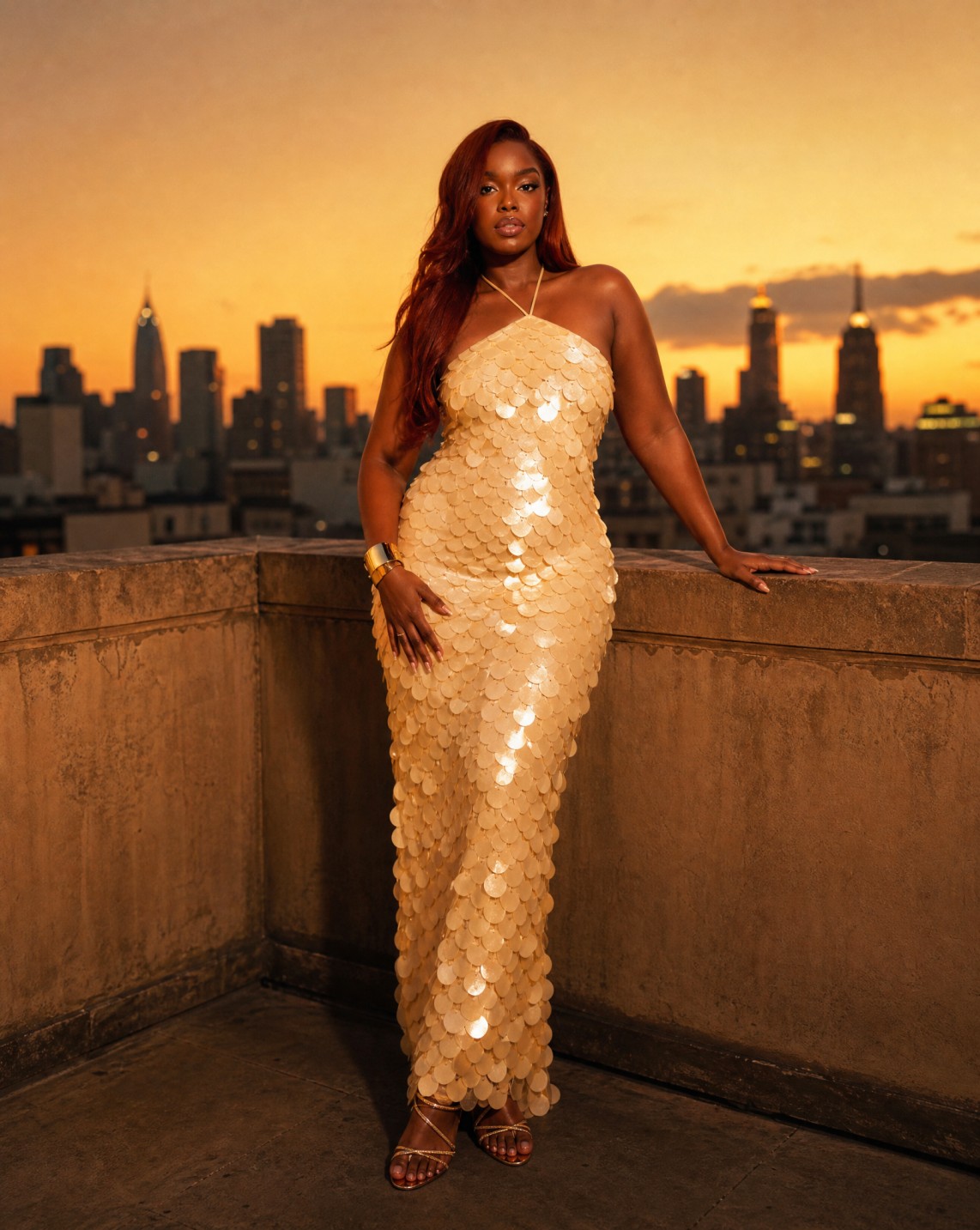
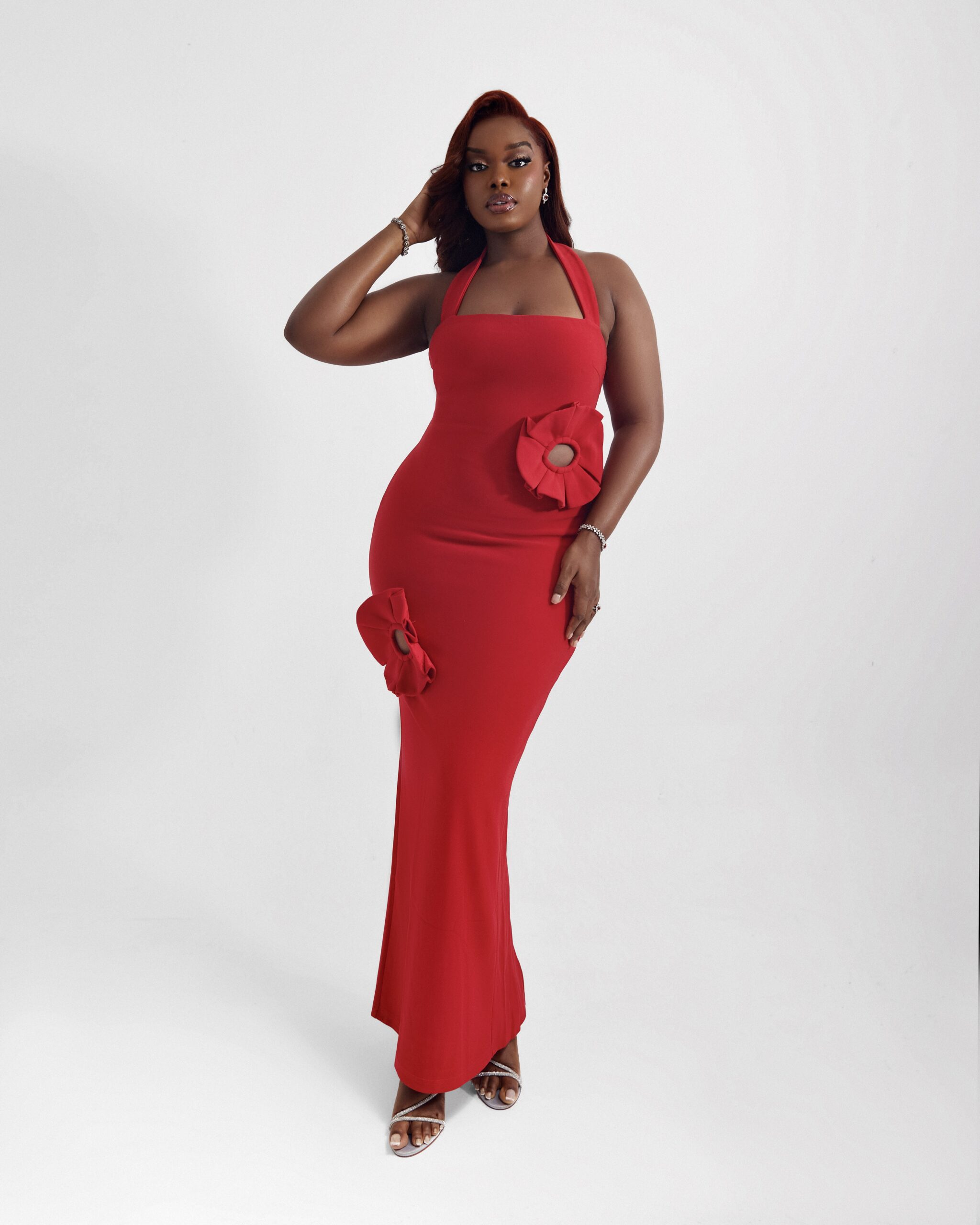
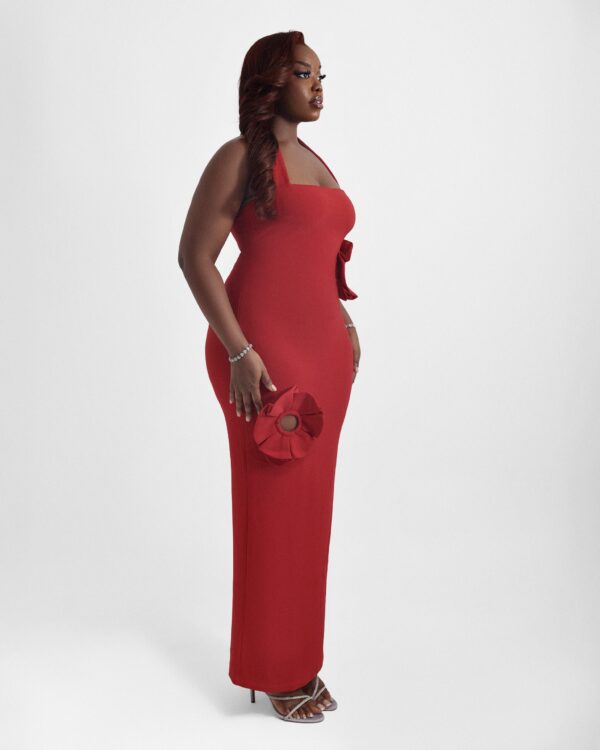
Thirty people is a different night entirely. You will be standing, moving, seen mostly from a distance. Silhouette does the work and detail barely registers. SCARLET is the dress for that room. A fitted red halter pencil dress reads immediately from anywhere in a space, and the hand-placed flowers at the bodice and thigh give it something to say when people come closer.

Restaurant lighting is not kind
Most good restaurants are lit low and warm, which is generous to skin and difficult for clothing.
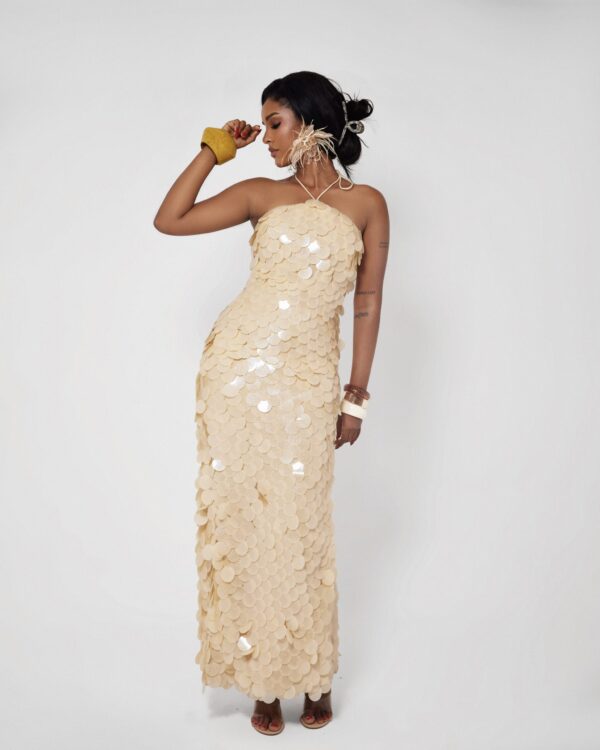
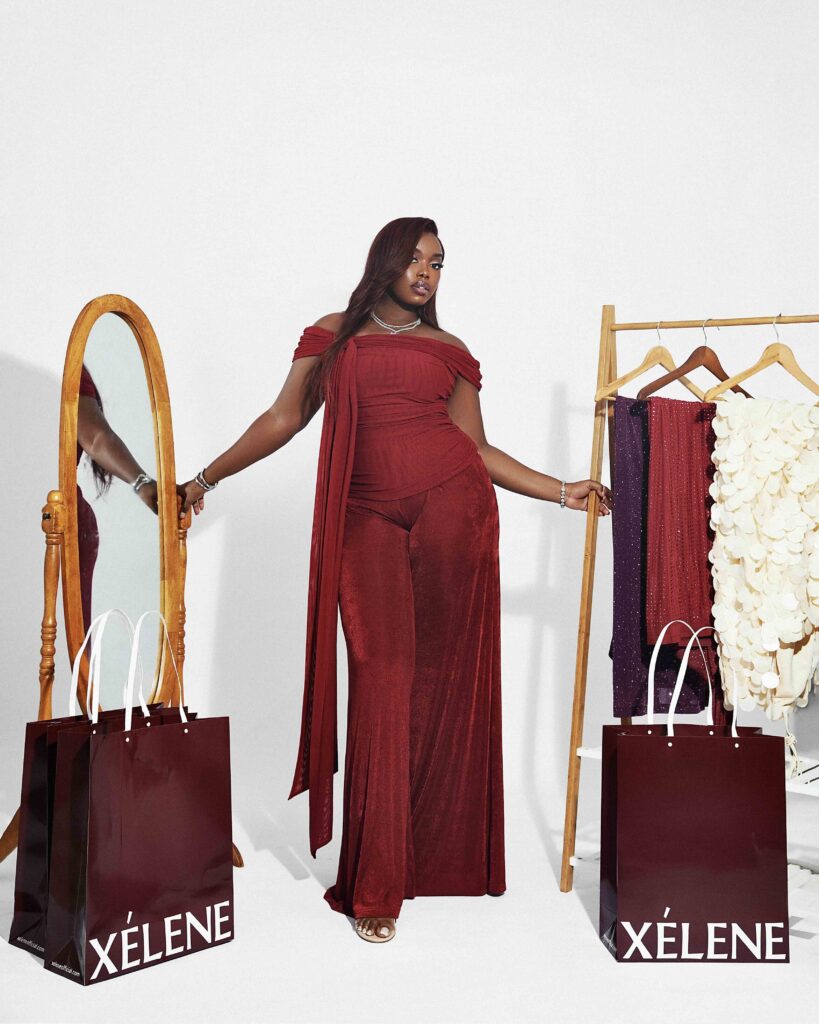
Very dark colours vanish. Black in a dim room photographs as a shape rather than a dress, and you will notice it in every picture afterwards. Very pale colours can flatten out under warm light and read as beige.
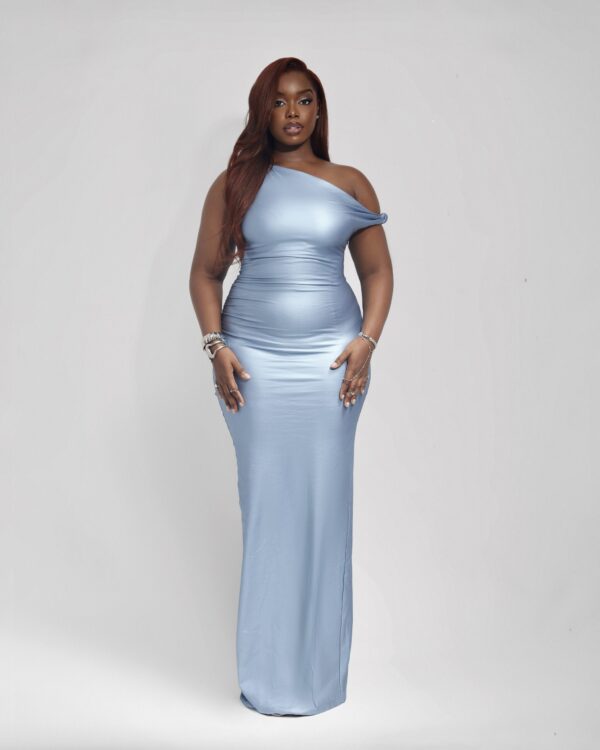
What holds: red, which stays saturated in almost any lighting. Deep plum, which reads rich rather than muddy. Metallics, which take whatever light is available and use it.
This is not an argument against black. It is an argument for knowing what the room will do to it.
Why red keeps coming back
There is a reason red is the default for this particular night, and it is not only tradition.
Red photographs well in almost every condition. It reads as a decision rather than a default. And nobody wears red accidentally, which means it quietly signals that you thought about the evening, which is precisely the message the night is supposed to carry.
The only condition is that the fit has to be exact. A red dress that does not fit properly is obvious in a way that a navy one is not. Which is why the construction matters more here than anywhere else. Thick fabric with weight to it, a structured bodice, full lining.
The practical things that ruin it
A dress you cannot sit down in comfortably for three hours, when the entire event is sitting down for three hours.
A neckline you have to manage every time you lean towards someone.
Anything strapless without internal grip tape, unless you want to spend the evening adjusting rather than talking.
Shoes that are finished by eleven, which is exactly when somebody suggests going somewhere else.
Have it hanging up a week early
That is the actual goal. Not the dress itself, but the fact that on the day you are thinking about who is coming rather than what you are wearing.
One less thing, on the one night you booked in March.