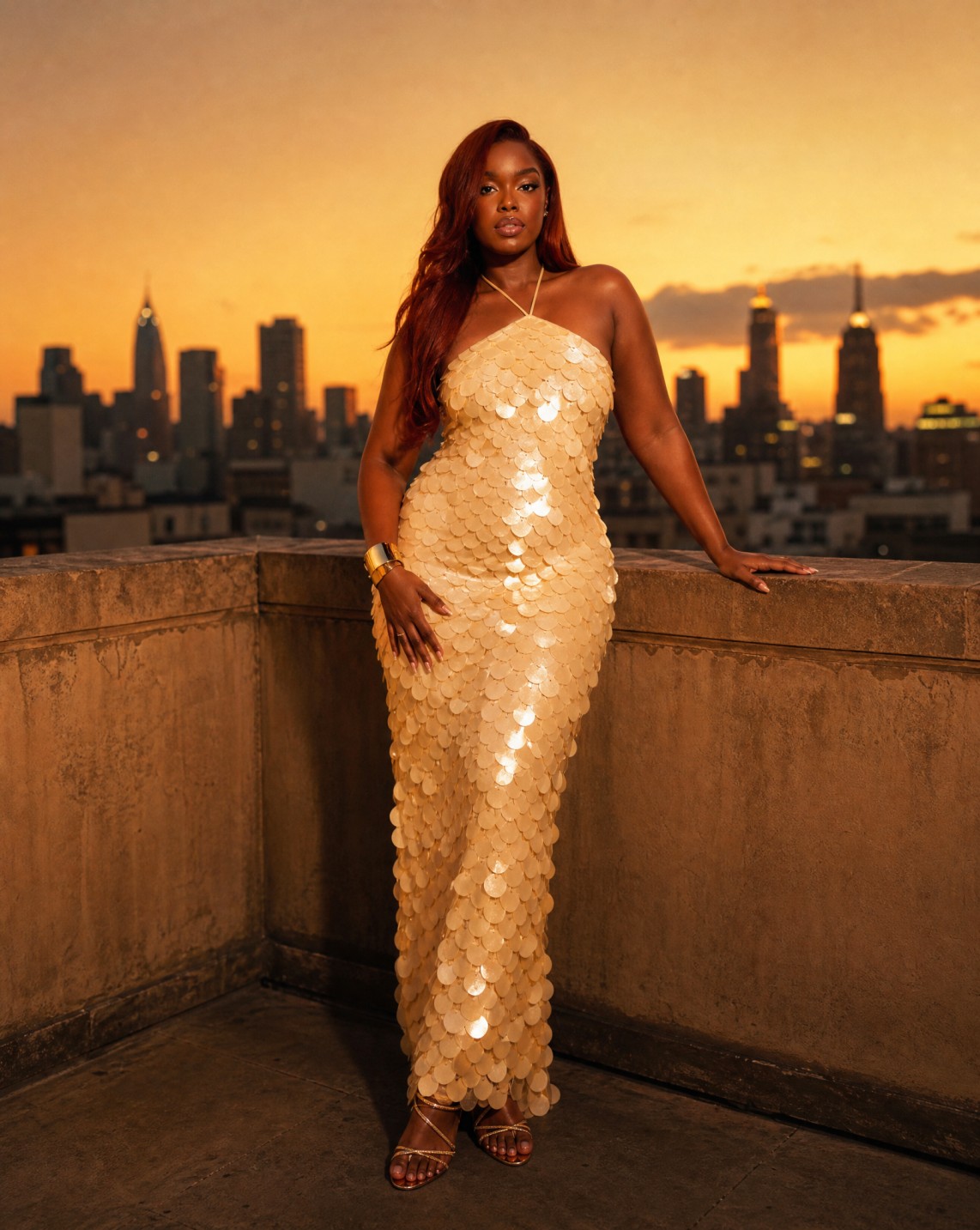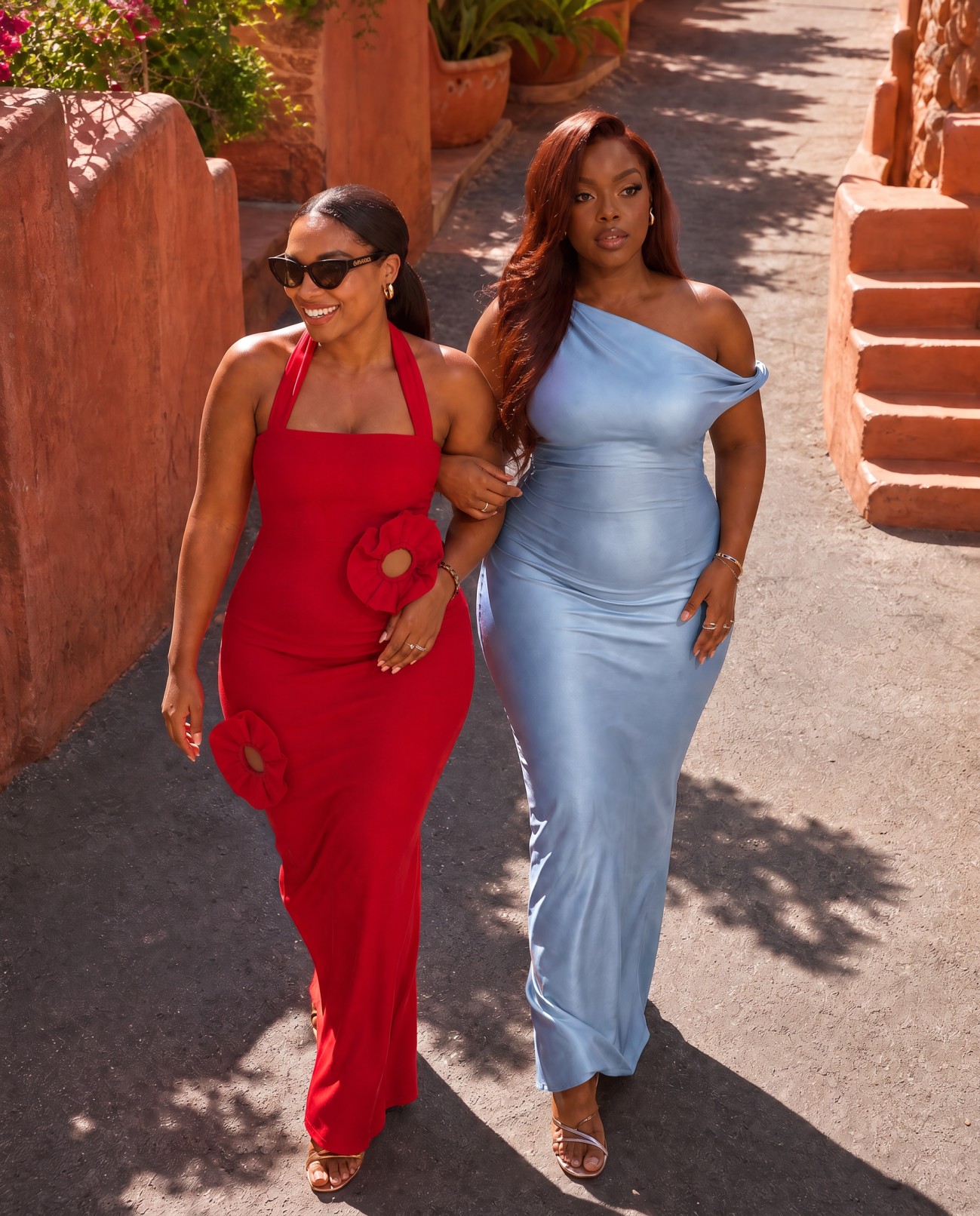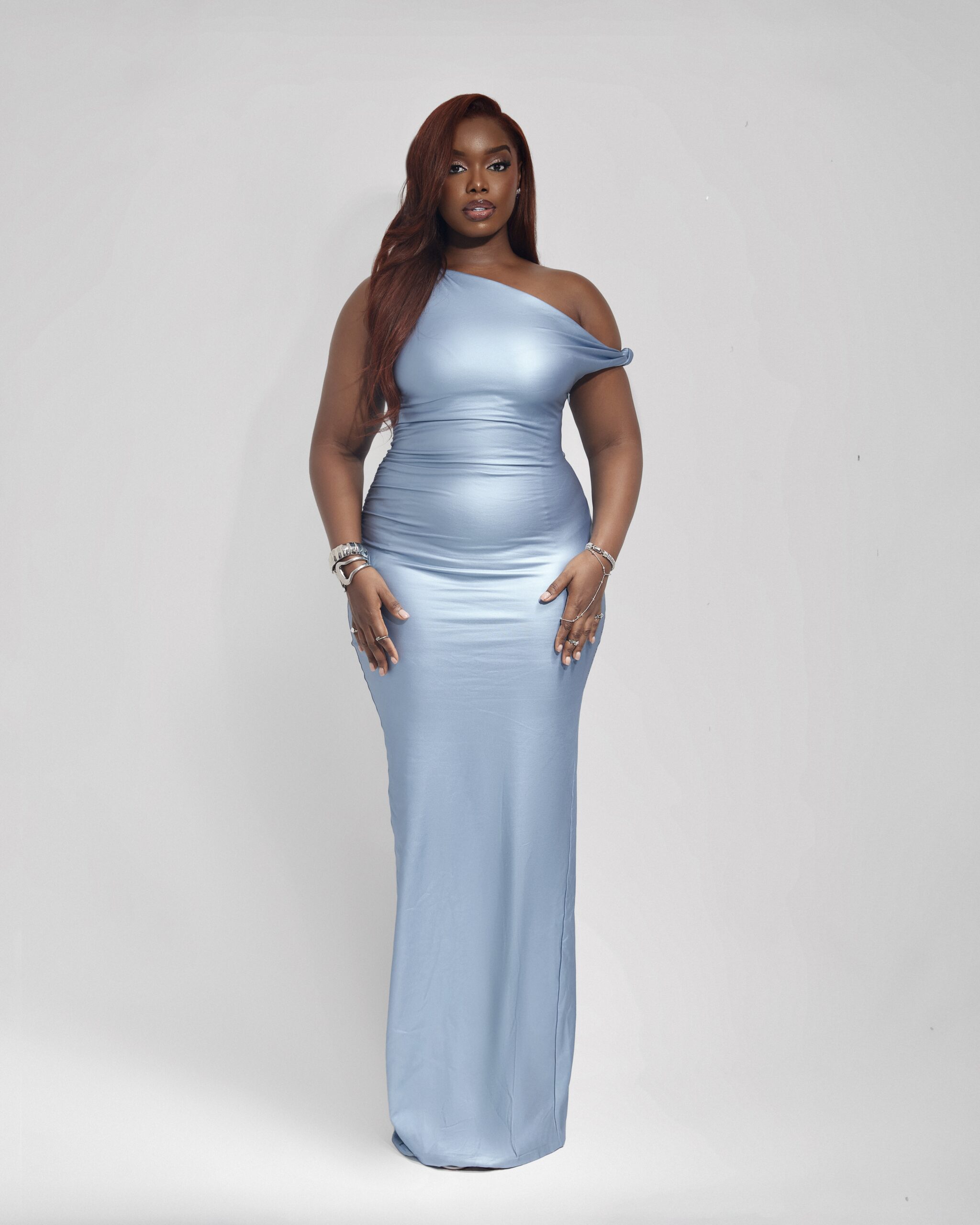

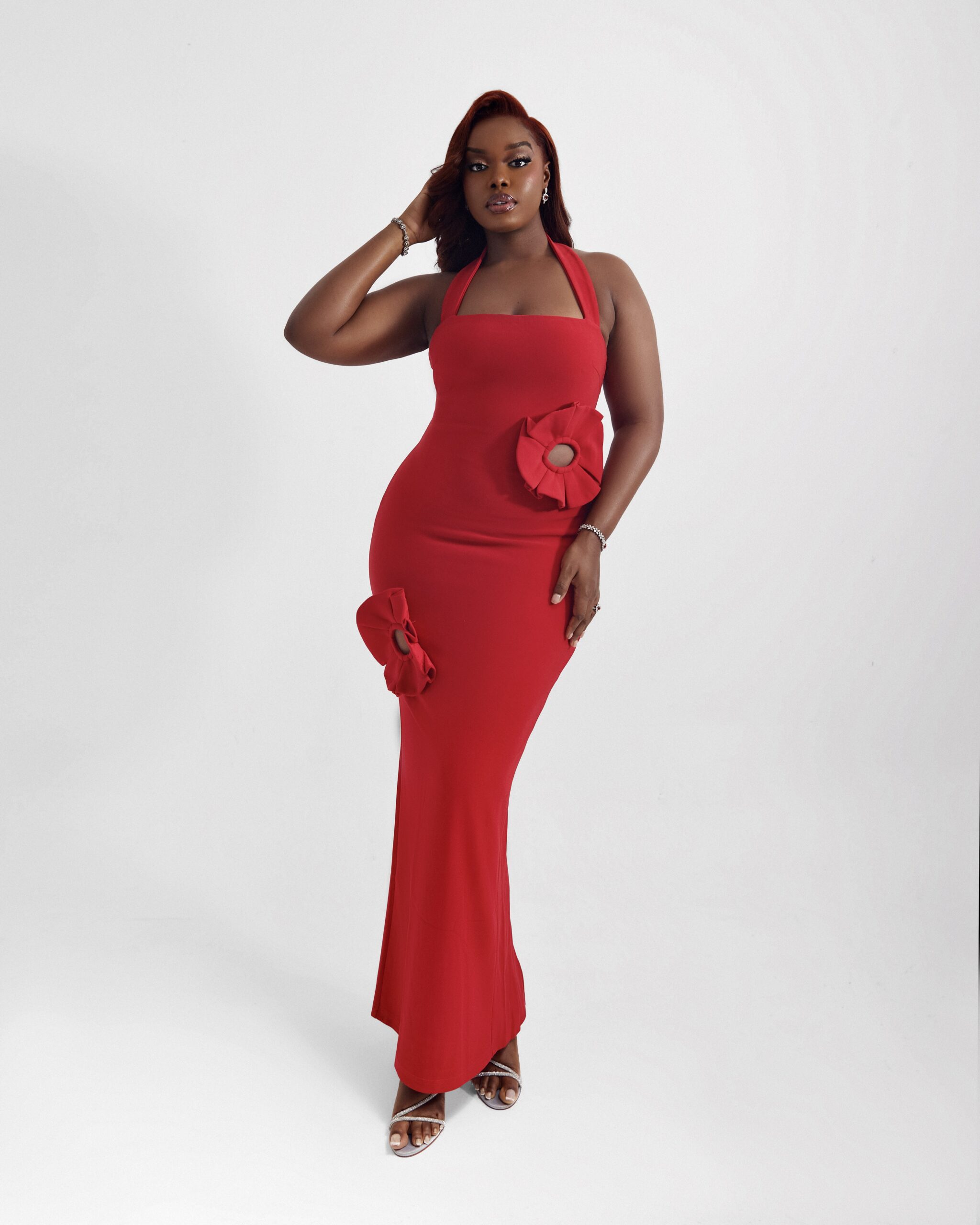
There is a specific hesitation that happens when you are getting dressed for an event attended by the same people who saw you at the last one.
You own something that works. It fits, you felt good in it, there are photographs to prove it. And you are not going to wear it, because they have seen it.
This is a recent invention
Repeating an outfit was not a concern before everyone carried a camera. If you wore the same dress to two weddings a year apart, the only record was in an album in somebody’s house.
Now every event is documented, tagged and archived. The dress from March is still visible in September. That is the actual change, and it arrived quickly enough that nobody paused to ask whether it should matter.
It is also extremely profitable for anyone selling clothes. A woman who believes she cannot repeat buys considerably more than a woman who does not.
The women who look best repeat constantly
Pay attention to anyone whose style you genuinely admire and the same pieces appear. A coat you recognise. A dress you have seen. Shoes turning up in photographs across several years.
That is not laziness. That is what happens when somebody knows what suits her and has stopped experimenting for its own sake.
There is something quietly certain about it too. Wearing something again says you liked it enough the first time, which is a better signal than constant novelty.
How to make the same dress read differently
The dress is usually the smallest part of what anyone remembers.
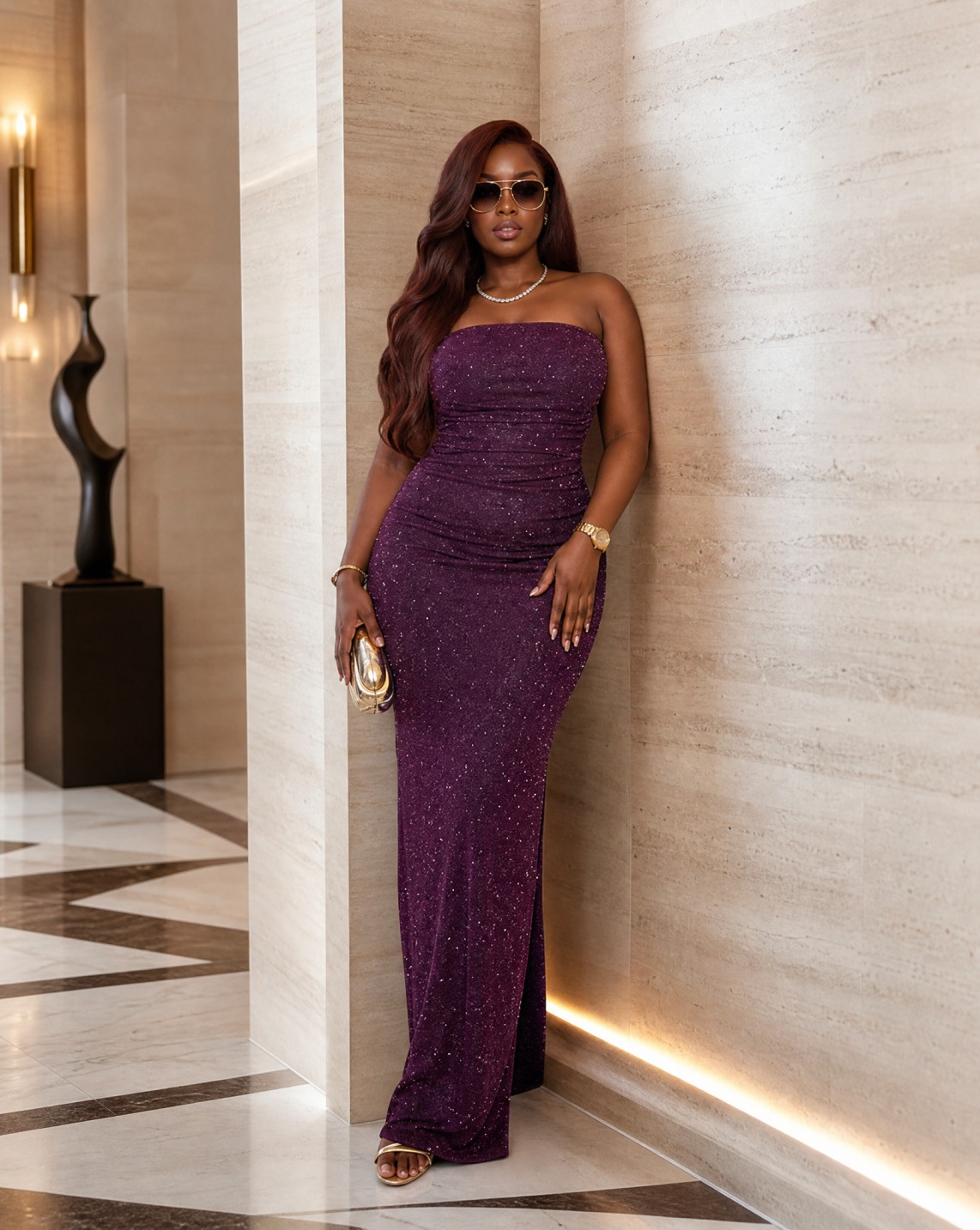
Hair is the largest lever. The same dress with your hair up rather than down photographs as two separate outfits, and most people do not consciously register the dress at all if the hair has changed.
Jewellery next. Gold instead of silver, larger earrings, a stack of bangles instead of nothing.
Then shoes, which change the entire line.
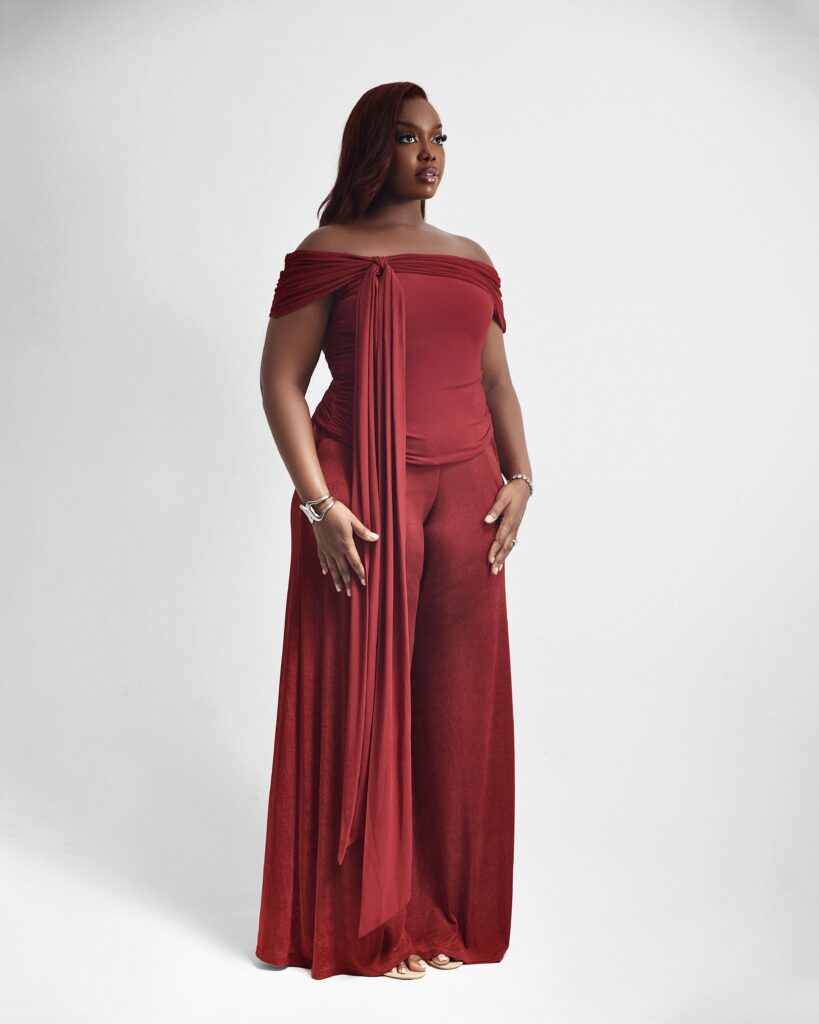
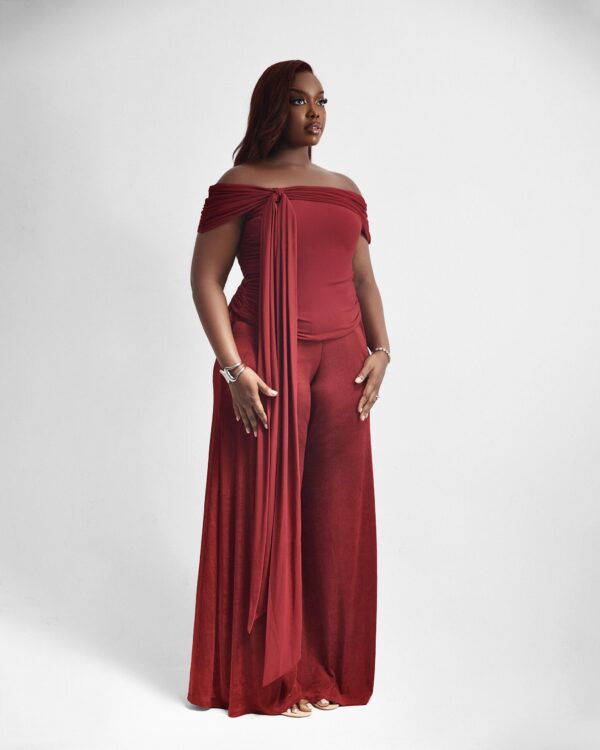
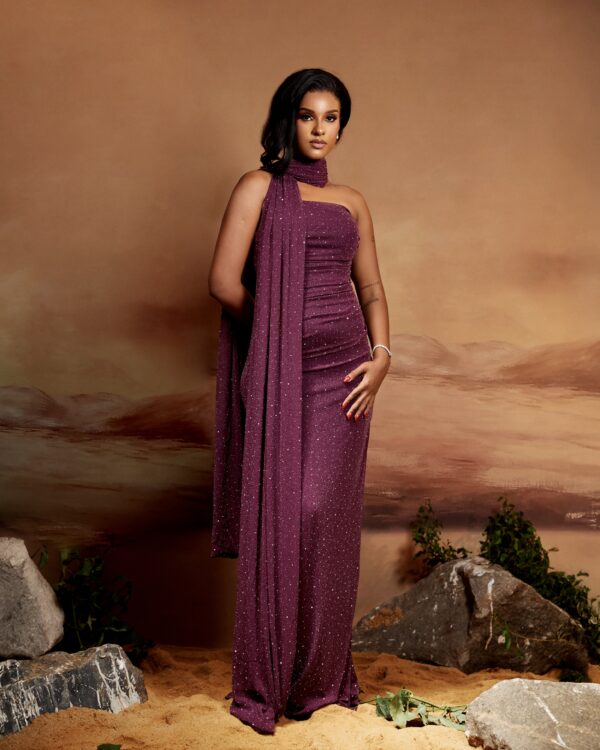
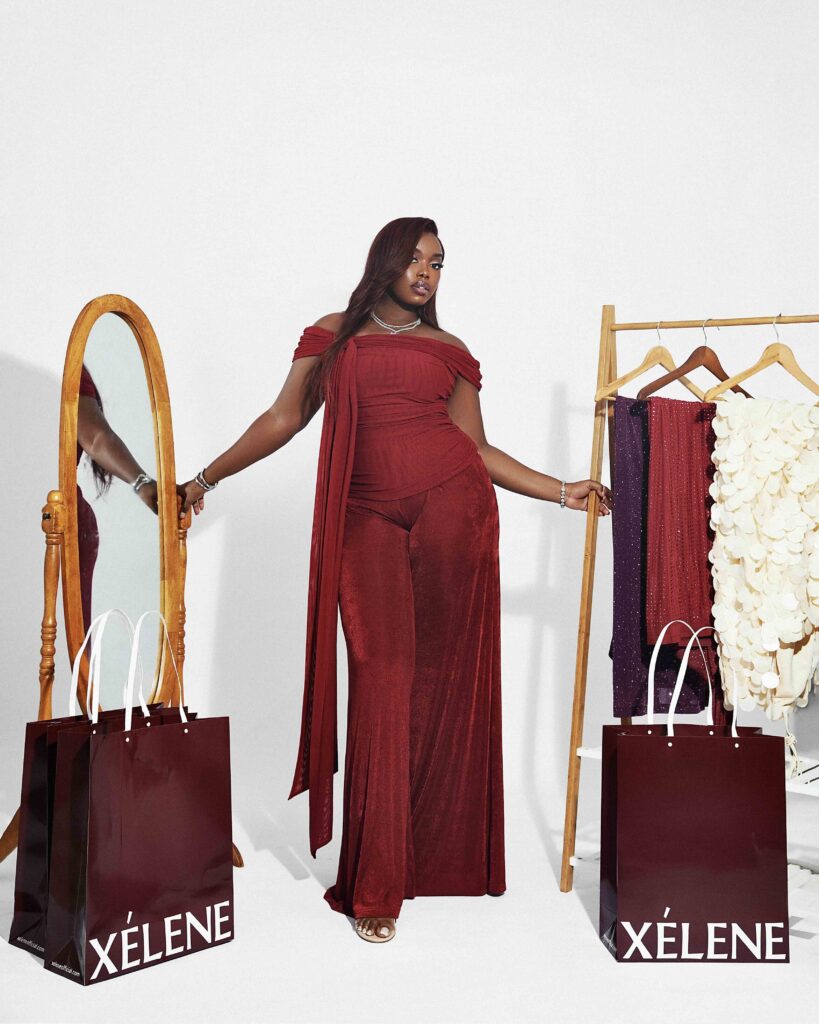
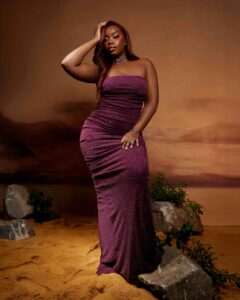
And then there are pieces built to do this on their own. KAIA comes with a detachable double-sided scarf that drapes over the shoulder, wraps at the waist, or trails behind as a train. Three genuinely different silhouettes without changing anything else, which is the point of it.
The maths, briefly
A dress at N120,000 worn eight times is N15,000 a wear.
Three dresses at N45,000 each worn once is N135,000 spent and N45,000 a wear. You spent more, you own more, and you were less certain in all three because you had never worn any of them.
That is not an argument for spending more. It is an argument for spending once, on the thing you will actually reach for.
How to know at the till
Whether you like it is not the useful question. You are holding it, so you like it.
Can you name two more occasions, specifically? Not vaguely. Actual events you have or expect.
Does it work with shoes you already own? A dress that requires new shoes and new jewellery is not the price on the tag.
Is the colour one you gravitate to, or one that caught you today? Your wardrobe already knows the answer to that.
And would you be content to be photographed in it twice? If not, it is a costume.
What lasts
Fit above all, because anything you have to manage will lose to something you do not, every time.
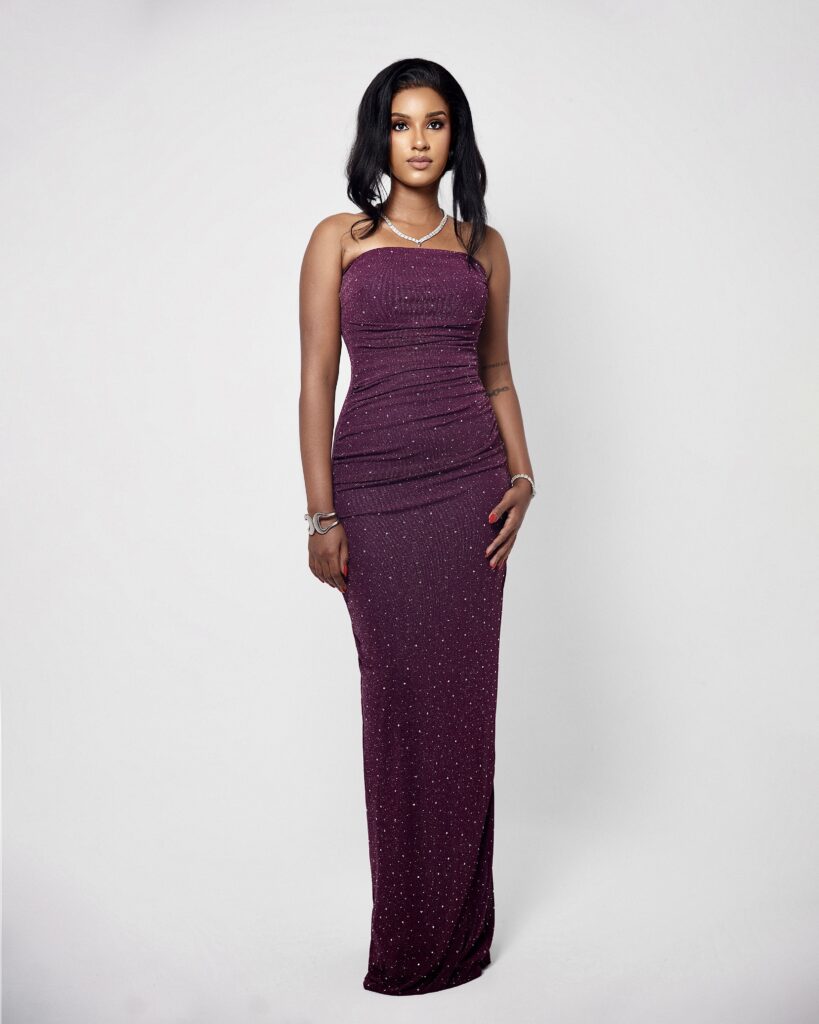
Construction that survives repetition. Unstructured, unlined pieces lose shape after a handful of wears and quietly stop being options. A boned, fully lined dress in fabric with weight looks the same on the eighth wear as the first.
And it is almost never the trendiest thing you own. Exciting pieces have a short window and then read as dated. The pieces that last are usually simpler than you expect and better made than you noticed.